North Shore Language Atelier
Revolutionizing the educational ecosystem with a web development to enhance interactive learning collaboration.
Role
UX Designer | Branding | Logo Design | Web Development
Industry
Education Learning
Duration
3 months

Designing a Joyful Spanish Learning Experience for Young Children
Creating a play-based, culturally immersive language learning platform that empowers children ages 6 and older to discover Spanish naturally—while giving parents confidence and peace of mind.
Project Overview
Children ages 6 and older are at a critical developmental window for language acquisition, yet most language learning programs either feel too academic or rely on passive screen time. Parents seek enrichment opportunities that foster confidence, cultural awareness, and genuine skill-building—without the pressure of traditional education.
This project aimed to design an immersive Spanish learning platform that meets children where they are developmentally, uses play as the primary learning modality, and provides parents with transparency and trust throughout the journey.
The Challenge
Design a language learning experience that feels like play, not school, while building real linguistic competency and cultural understanding for first-time learners.
The Goal
Create a three-tier progression system that meets children at their level, celebrates their growth, and builds confidence through culturally authentic experiences.
Target Users
Primary: Parents of children ages 6-14 seeking enrichment Secondary: Educators and caregivers interested in early language exposure.
The Problem
Existing language learning programs for young children often prioritize rote memorization over genuine engagement, use generic or culturally disconnected content, and create anxiety rather than confidence. Parents feel uncertain about quality, worried about pressure, and lack visibility into what their children are actually learning.
Research & Discovery
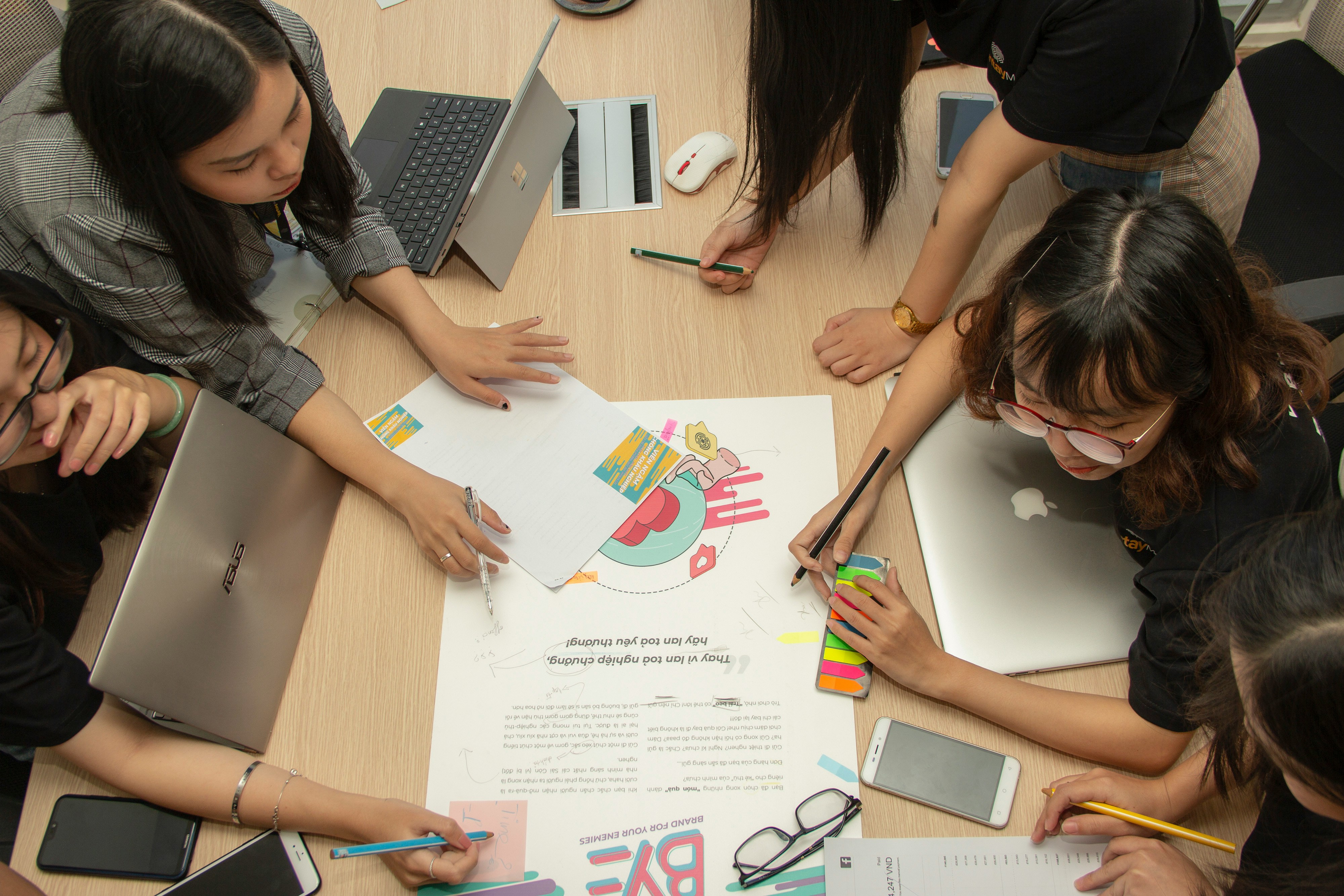
I conducted comprehensive research to understand the needs, motivations, and concerns of both parents and early childhood educators. The research phase included parent interviews, competitive analysis, literature review on childhood development, and consultation with language specialists.
Parent Interviews
Conducted 15 in-depth interviews with parents of children ages 6–15 to understand their motivations, concerns, and decision-making criteria when selecting enrichment programs.
Competitive Analysis
Analyzed 8 language learning platforms (Duolingo ABC, Little Pim, Muzzy, Rosetta Stone Kids) to identify gaps in engagement, cultural authenticity, and parent communication.
Expert Consultation
Interviewed 5 early childhood educators and 3 language acquisition specialists to understand developmental readiness and best practices for immersive learning.
Literature Review
Reviewed research on childhood language acquisition, play-based learning theory, and cultural immersion pedagogy to ground design decisions in evidence.
Key Research Findings
Play Reduces Language Anxiety
Children show 3x higher engagement and retention when language is embedded in play contexts versus explicit instruction.
Parents Value Transparency
67% of parents surveyed said "knowing what my child is learning" was more important than program cost when selecting enrichment.
Cultural Context Matters
Language educators emphasized that authentic cultural experiences (food, music, traditions) accelerate comprehension and retention over vocabulary drills.
Tier Systems Reduce Comparison
Multi-level programs that match developmental readiness reduce social comparison anxiety and allow children to progress at their own pace.
User Personas
Based on research insights, I developed two primary personas representing our target parent audience.

User Journey Map
I mapped the parent's journey from initial awareness through enrollment and ongoing engagement to identify key touchpoints and opportunities for trust-building.
Awareness
Parent discovers program through search, referral, or social media
Consideration
Visits landing page, evaluates approach, values, and credibility3
Decision
Joins waitlist, receives welcome materials, understands next steps
Enrollment
Selects tier, schedules sessions, receives orientation information
Engagement
Child participates, parent receives updates, progress is celebrated
Design Principles
Based on research insights, I established four core design principles to guide all product and communication decisions.
Confidence Over Perfection
Every interaction celebrates progress and effort rather than accuracy. Mistakes are reframed as learning opportunities.
Play as Pedagogy
Learning is embedded in songs, stories, games, and hands-on activities—never worksheets or drills.
Cultural Authenticity
Content reflects real Spanish-speaking cultures with depth, respect, and accuracy—avoiding stereotypes.
Parent Transparency
Clear, jargon-free communication keeps parents informed and confident without requiring at-home "homework."
Information Architecture
I structured the landing page to address parent concerns in logical order: first building emotional connection, then explaining the approach, demonstrating structure (tiers), and finally reducing friction with trust signals.
More to come…
Other projects
Chicago Knife Center
A digital experience built for professional chefs, Michelin-star restaurants, commercial knife rental clients, and walk-ins — focused on speed, trust, and precision.
Dallas Flash Pickleball
Designed Dallas Flash Pickleball’s first digital experience to rally fans, players, and families. The goal? Build hype, sell merch, and create a flashpoint for community engagement.

A Wilder Experience
Designing an end-to-end brand experience for adventure enthusiasts — a seamless booking platform for long-range traverse expeditions
Morning Drop Off Club
To turn the everyday school drop-off into a doorway for human connection — building communities one hello at a time, and raising kids who see what real citizenship looks like.
amigo
A friendship-rooted brand designed to empower creators through collaboration, storytelling, and commerce. This project transformed an emotional concept into a scalable brand and digital ecosystem.