Dallas Flash Pickleball
Designed Dallas Flash Pickleball’s first digital experience to rally fans, players, and families. The goal? Build hype, sell merch, and create a flashpoint for community engagement.
Role
UX/UI Designer | Web Development
Industry
Sports & Recreation (Pickleball)
Duration
9 months
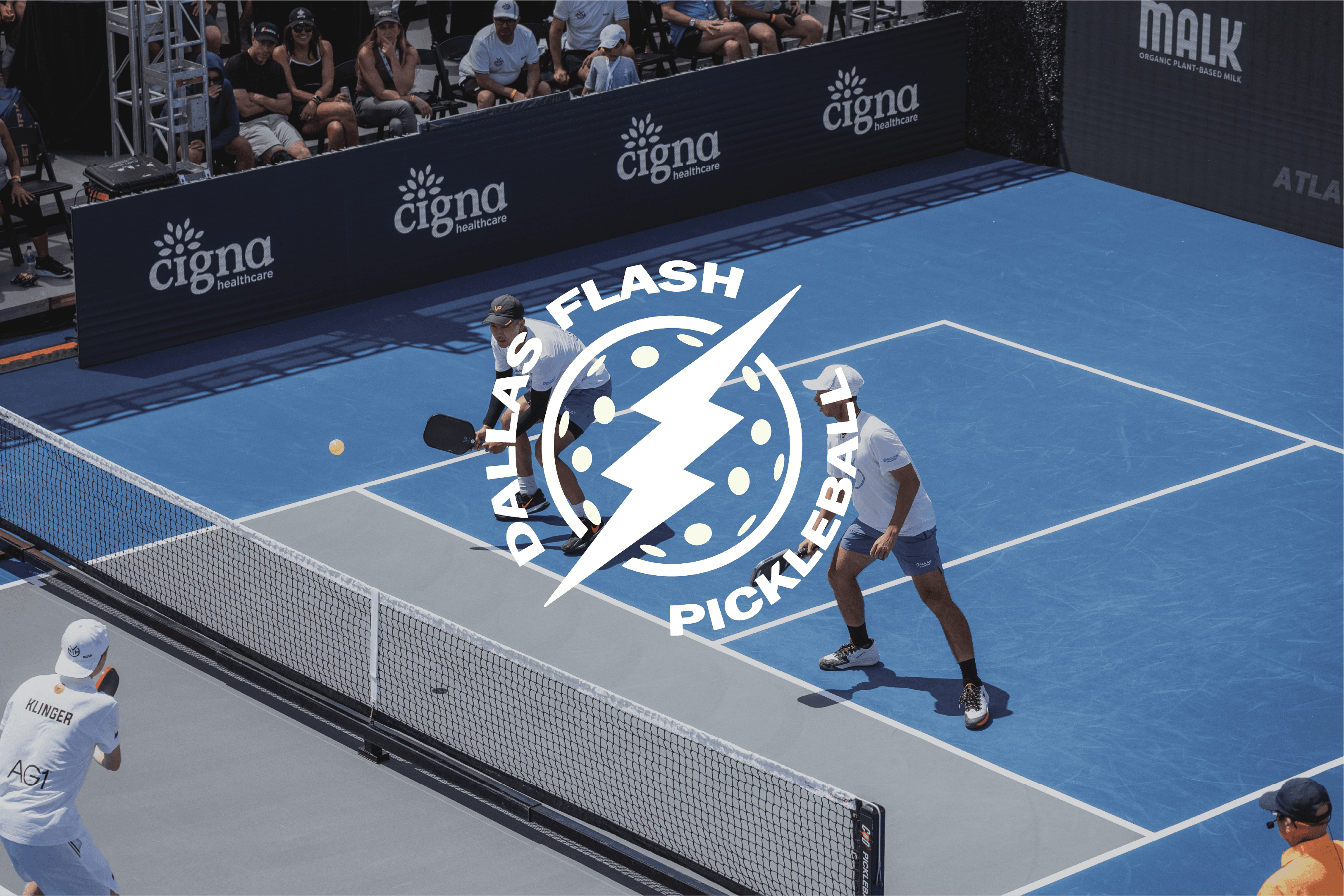
Dallas Flash
Designing a Scalable Fan Experience Platform for a Professional Pickleball Team
Role: Product Designer (UX/UI, Strategy, Design System)
Platform: Responsive Web (Phase 1) → Ecommerce Expansion (Phase 2)
Tools: Figma, Webflow, Analytics
Timeline: 10 Weeks (MVP)
Industry: Sports / Ecommerce / Fan Engagement
Overview
The Dallas Flash leadership team approached me to design a modern website that would:
Introduce the team to new fans
Highlight players and league credibility
Establish legitimacy within Major League Pickleball
Support merchandise sales
Scale into a commerce-first experience post-launch
While the initial request was “a team website,” the deeper opportunity was to design a scalable digital product ecosystem that could evolve from informational to revenue-driven.
The Business Problem
Pickleball is one of the fastest-growing sports in the U.S., but team-level brand loyalty is still emerging.
Initial Stakeholder Goal:
“We need a website where fans can learn about the team and buy merchandise.”
Uncovered Strategic Opportunity:
Build early emotional connection
Convert casual sports viewers into loyal fans
Use merchandise as a brand amplification channel
Future-proof the experience for ecommerce prioritization
The challenge was not just building pages — it was designing the foundation for a digital fan economy.
Product Vision
Create a digital experience that:
Builds credibility within Major League Pickleball
Establishes player personalities as brand assets
Converts fan interest into merchandise revenue
Evolves from “information-first” to “commerce-prioritized” without replatforming
Research & Discovery
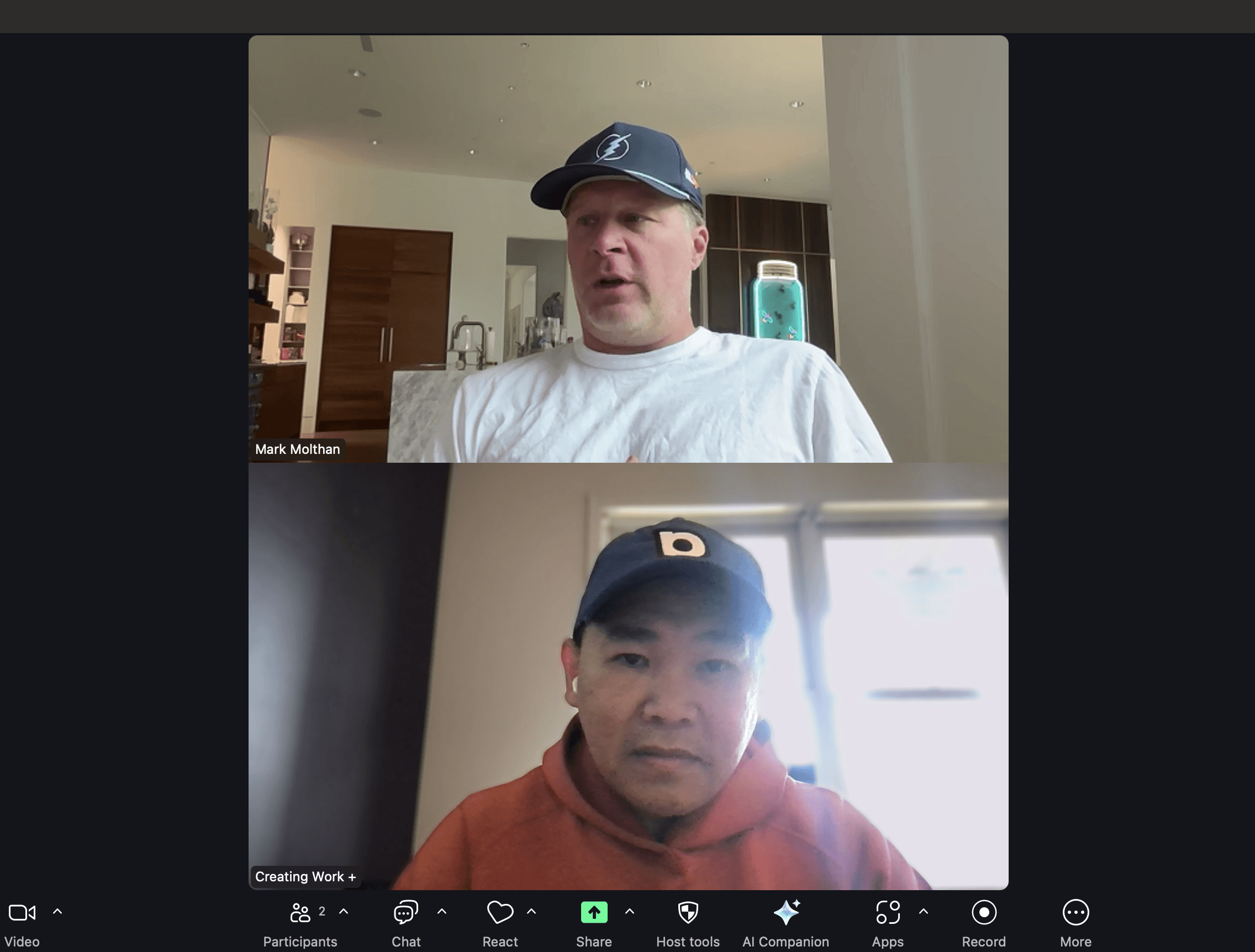
Stakeholder Interviews
I conducted structured discovery sessions to clarify:
Revenue priorities
Brand tone (competitive, bold, Texas-forward)
Merchandising goals
Future expansion (tickets, events, memberships)
Competitive Analysis
Reviewed:
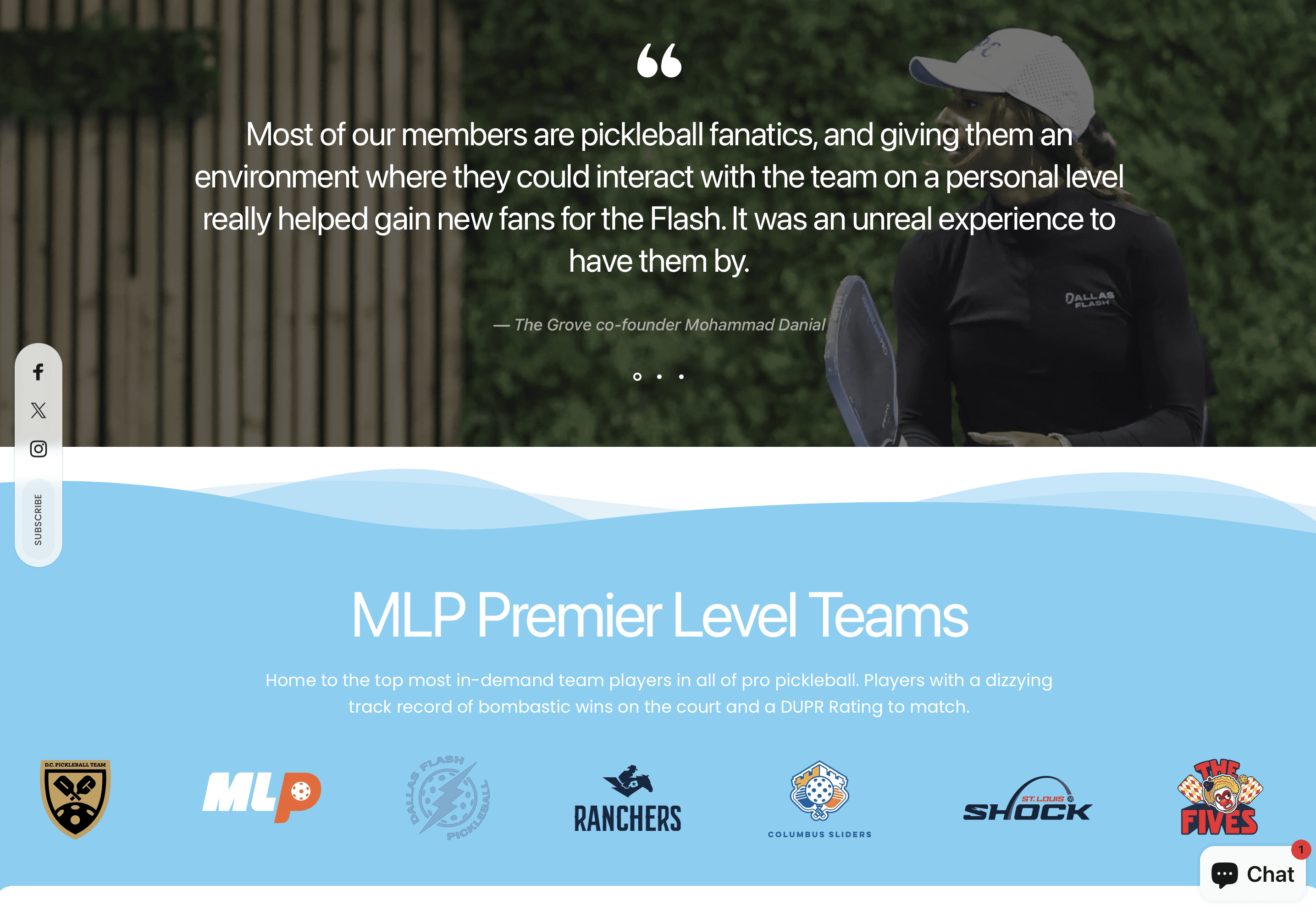
Other MLP team sites
Minor league sports ecommerce models
Lifestyle sports brands
Key Insight:
Most team websites were static and informational. Few were optimized for conversion or storytelling.
Opportunity:
Design a sports brand experience, not just a roster page.
User Personas
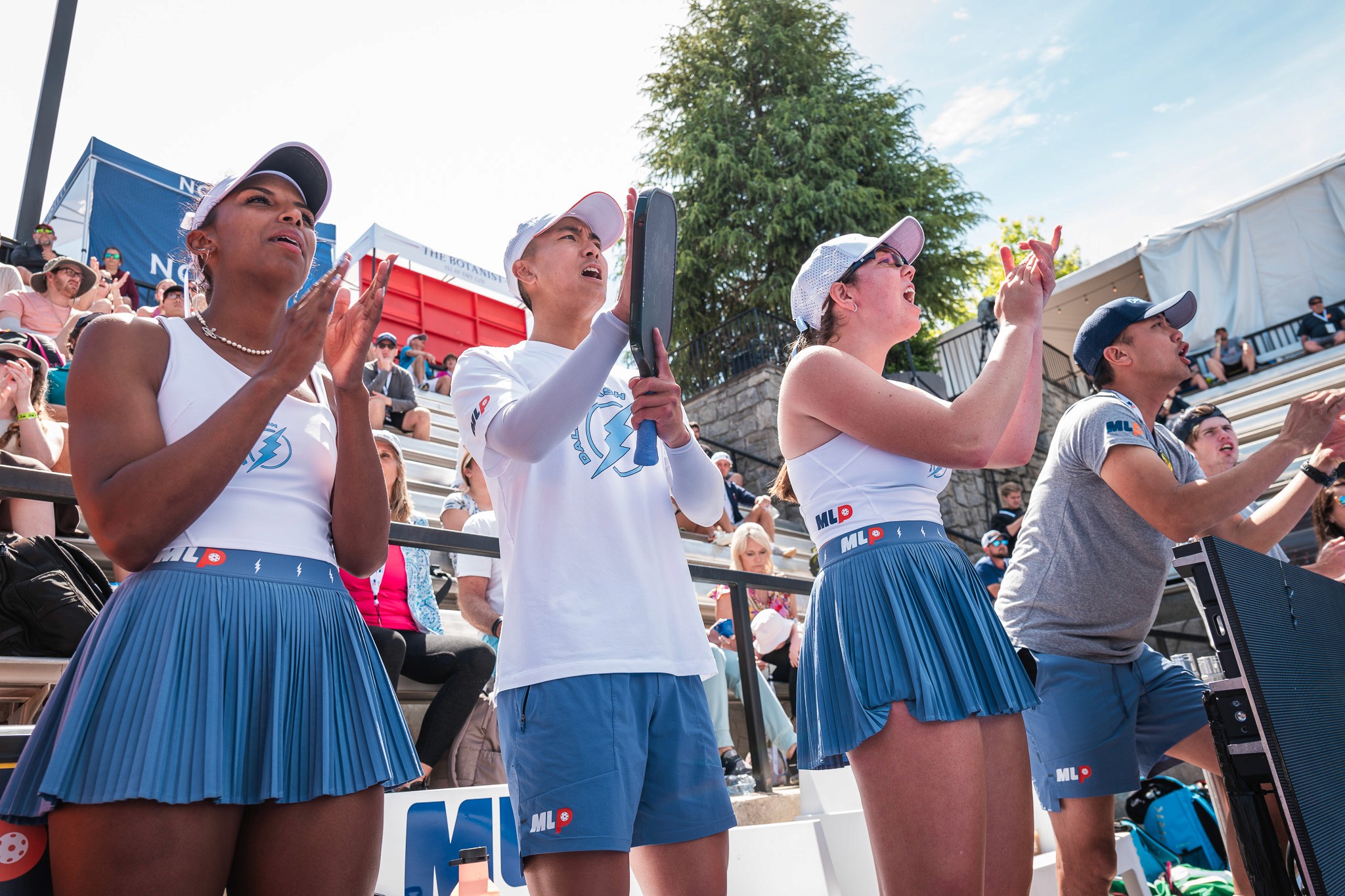
1. The Loyal Local Fan
Age 25–45
Lives in Texas
Wants team pride & merchandise
Seeks schedules and player bios
2. The Emerging Pickleball Enthusiast
Recently discovered the sport
Follows league news
Interested in player stories
May convert to merchandise buyer
3. The Competitive Player
Plays regularly
Looks up to pro athletes
Interested in branded gear
Influenced by athlete endorsements
UX Strategy
Phase 1: Authority + Emotional Connection
Hero storytelling
Player-focused design
League validation (MLP credibility)
Simple merchandise entry point
Phase 2: Commerce Optimization
Promote merchandise higher in hierarchy
Feature drops and limited editions
Integrate conversion analytics
Create repeat purchase flow
The architecture was intentionally designed to evolve without redesign.
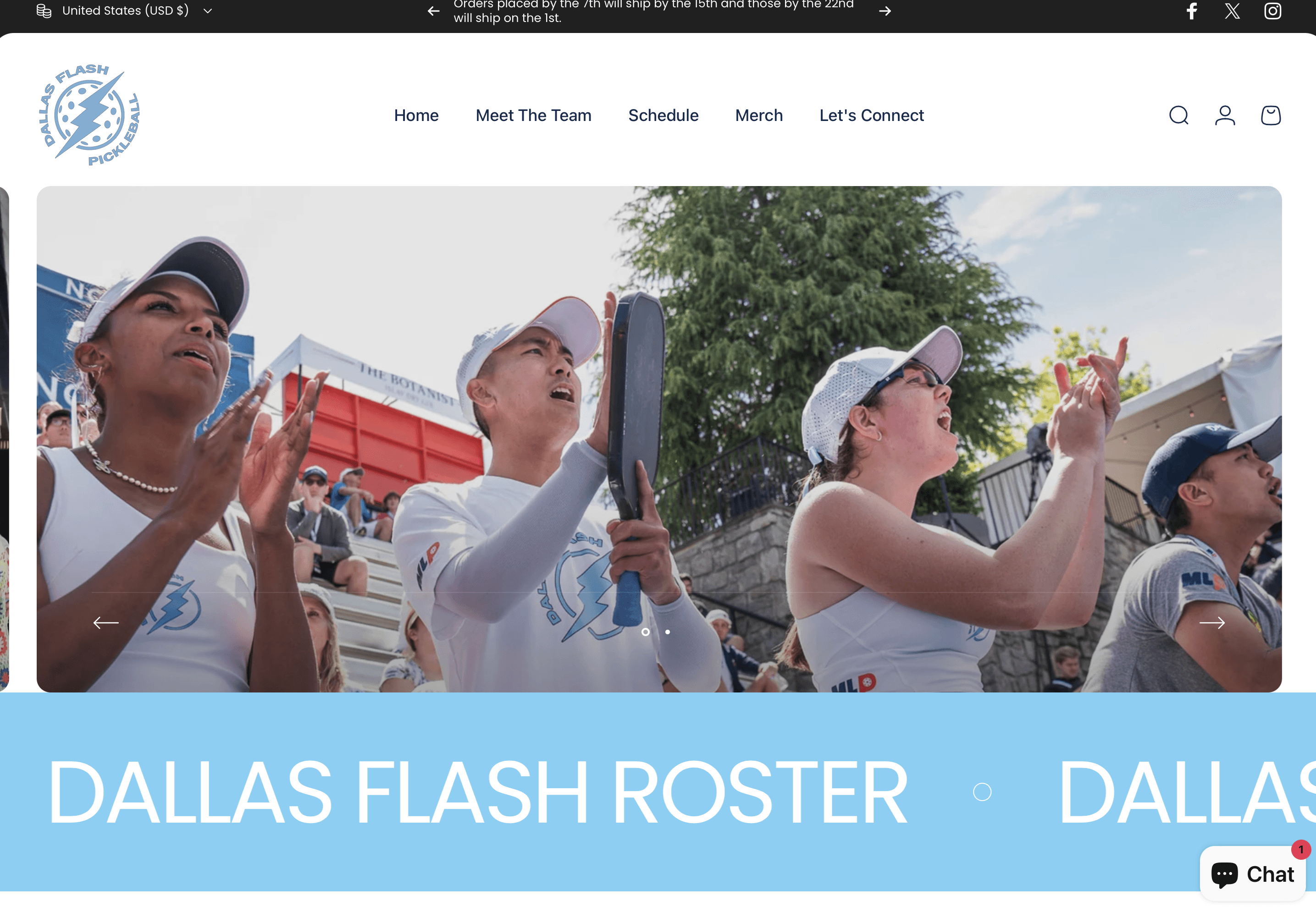
Information Architecture
Initial Navigation:
Home
Team
Players
Schedule
Shop
Planned Future Iteration:
Shop (Primary CTA)
Drops
Players
Community
Tickets
This allowed the platform to shift from informational → transactional without structural friction.
UX Decisions & Rationale
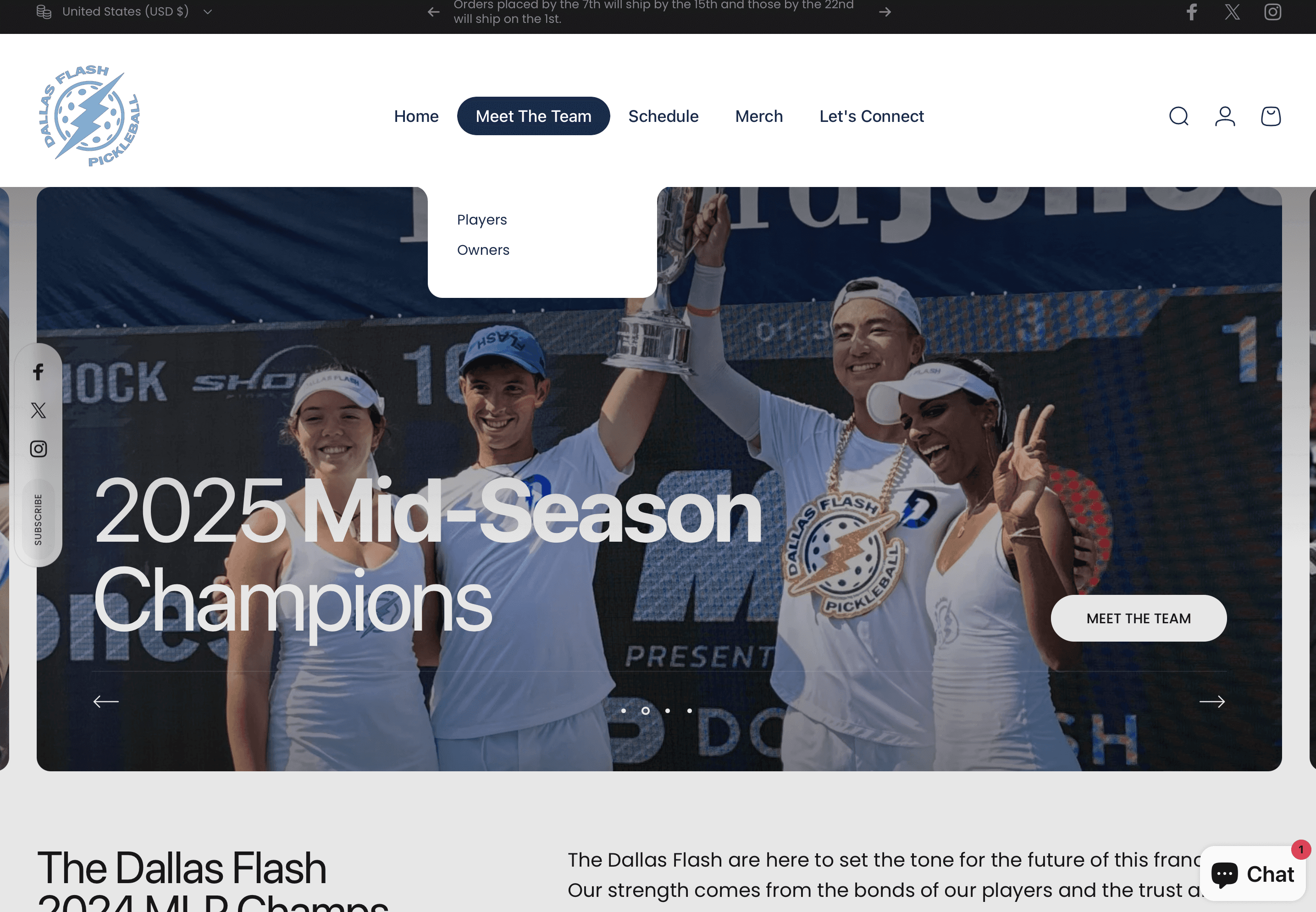
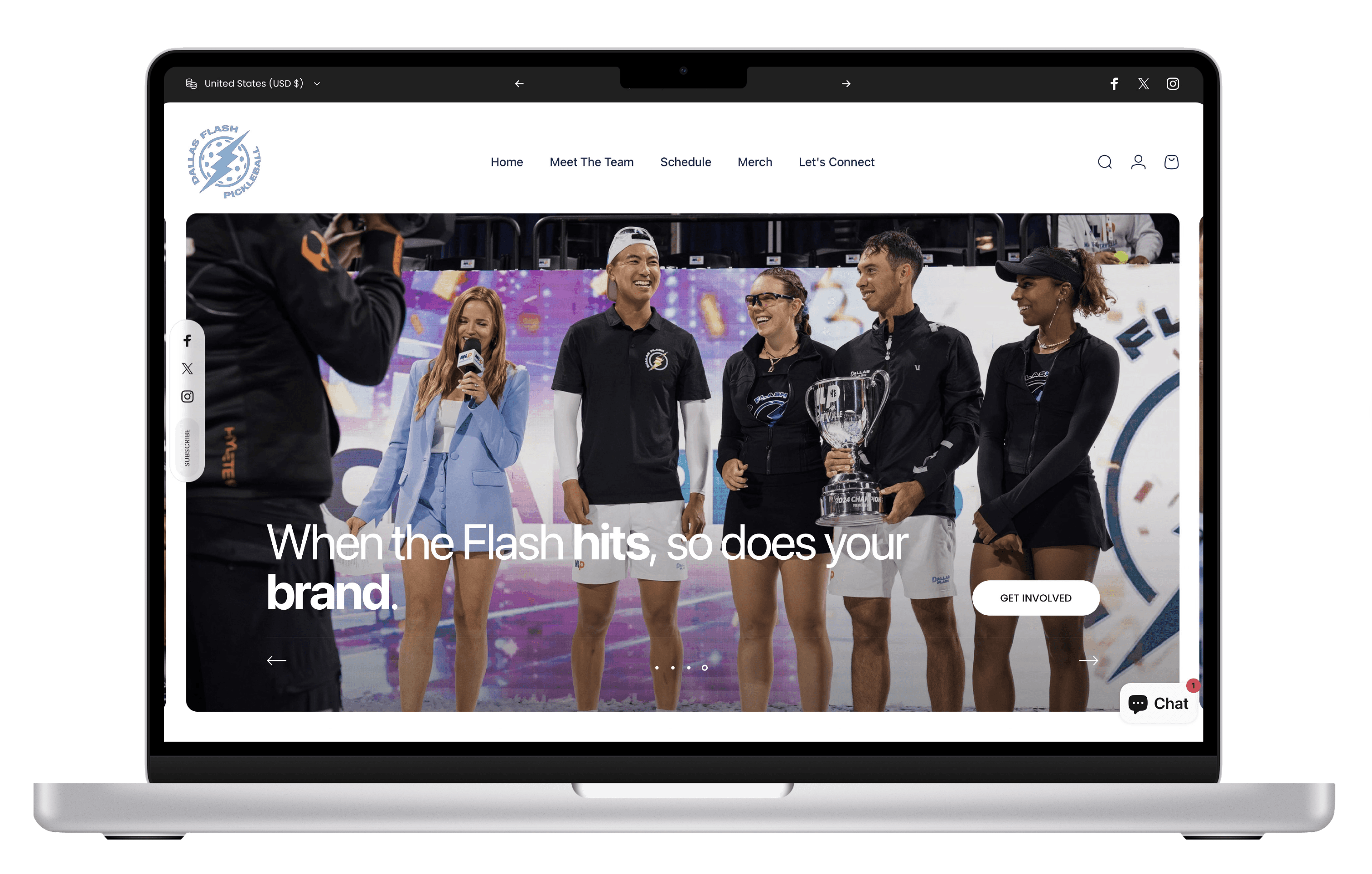
Hero Section = Identity Anchor
Bold visuals + competitive positioning
Designed to feel professional, not recreational.
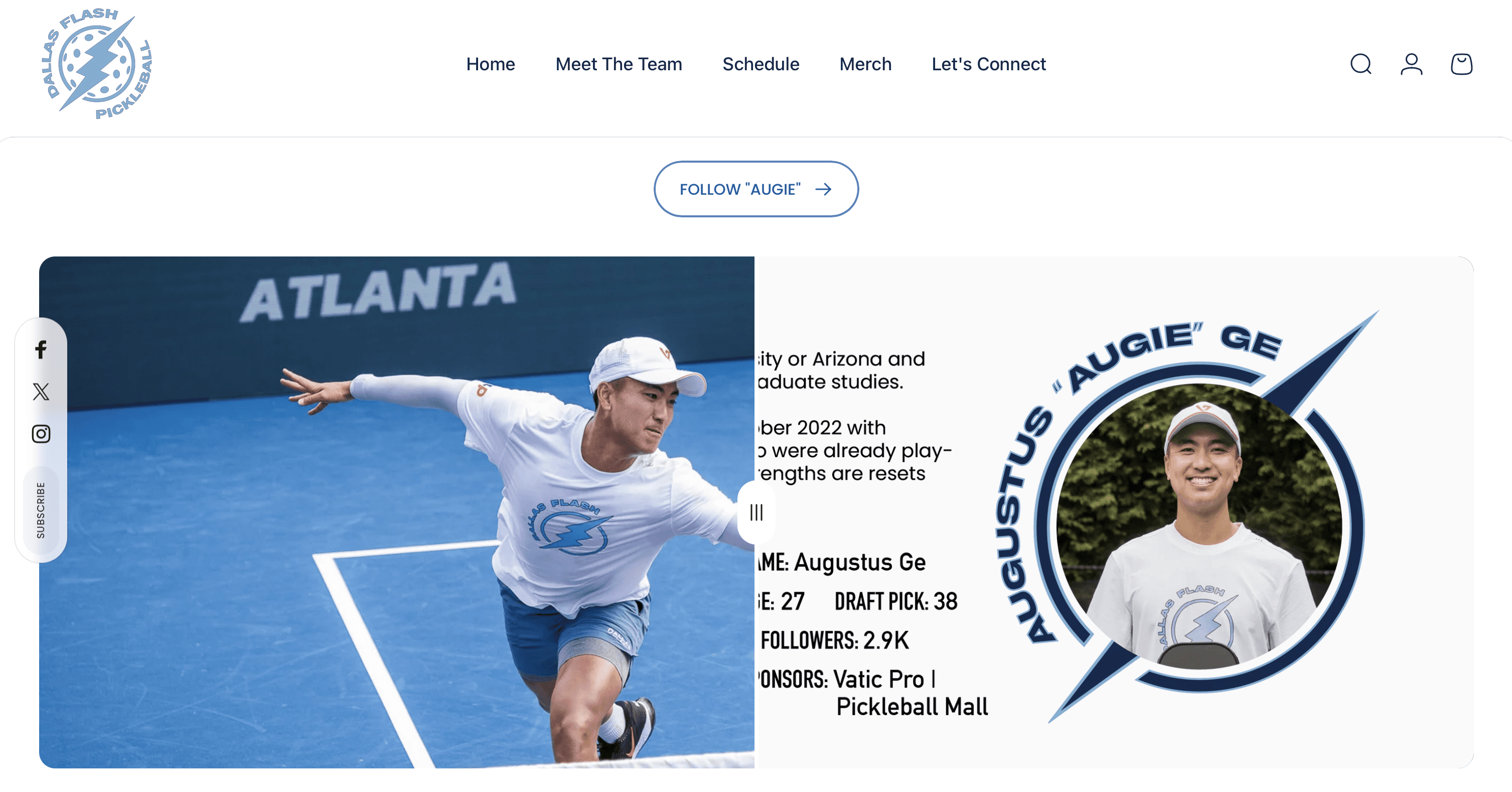
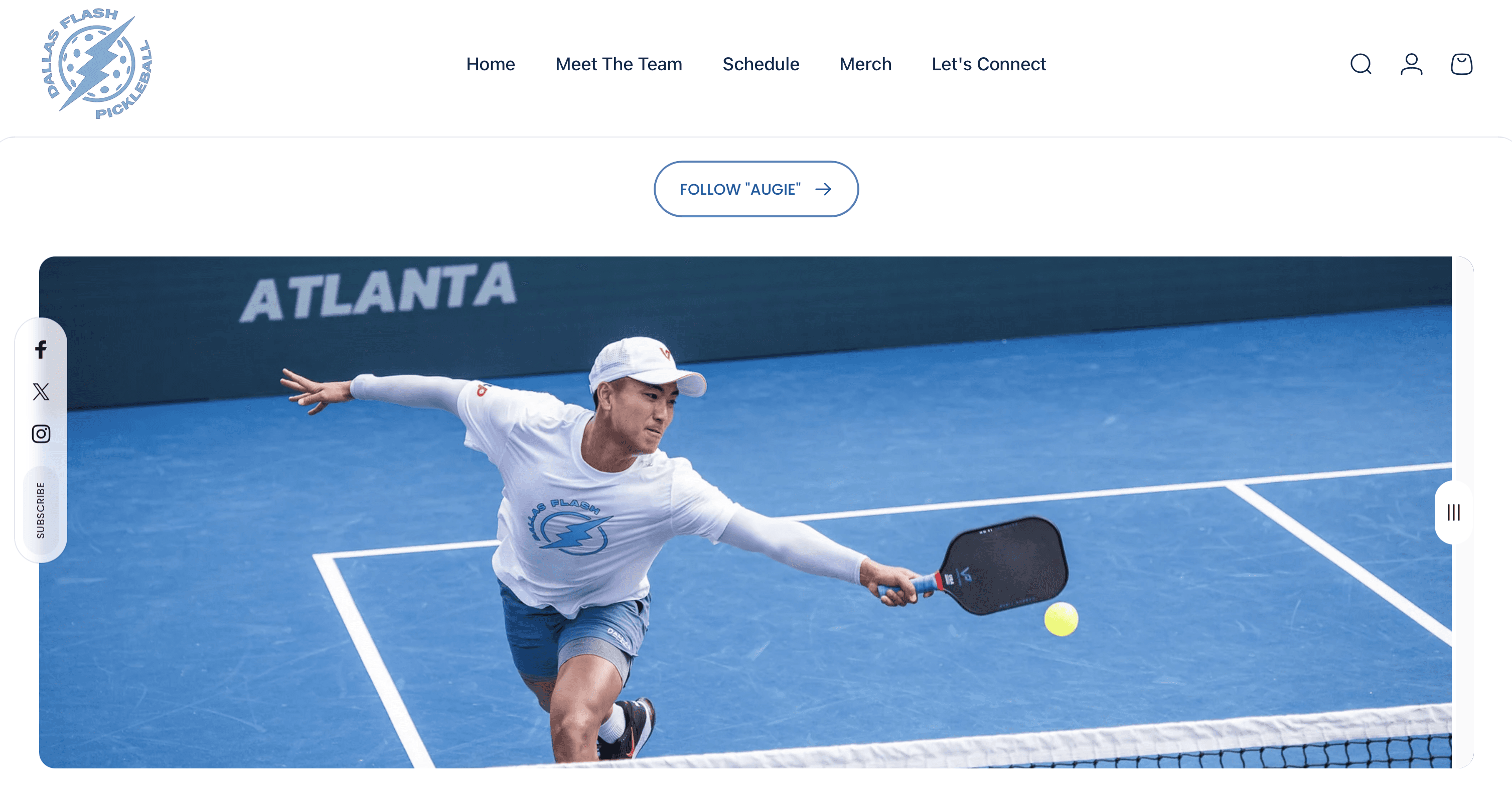
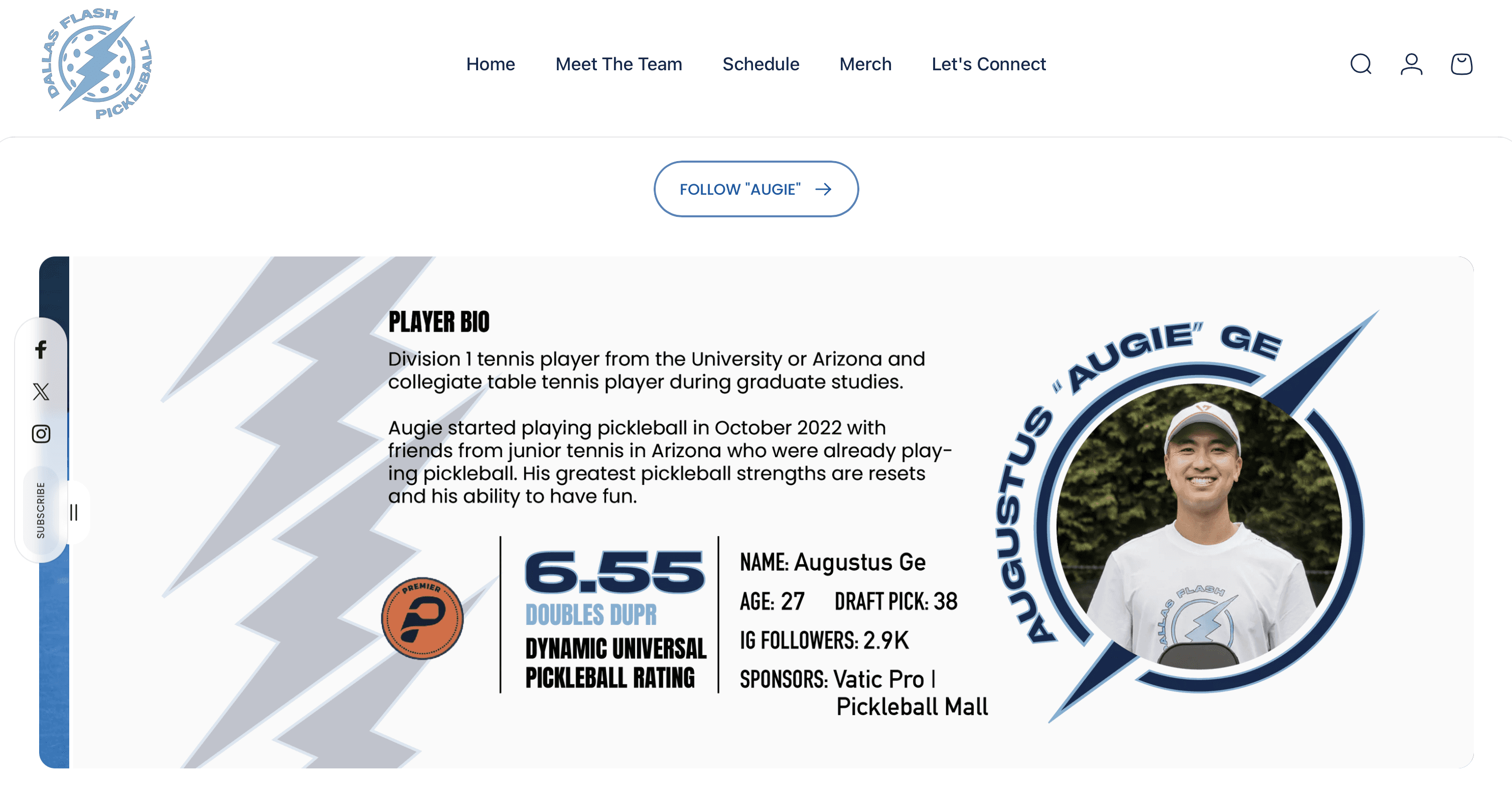
Player Pages as Brand Assets
Instead of static bios:
High-impact photography
Clear stats hierarchy
Personality-driven storytelling
Why?
Fans connect with players before they buy merchandise.
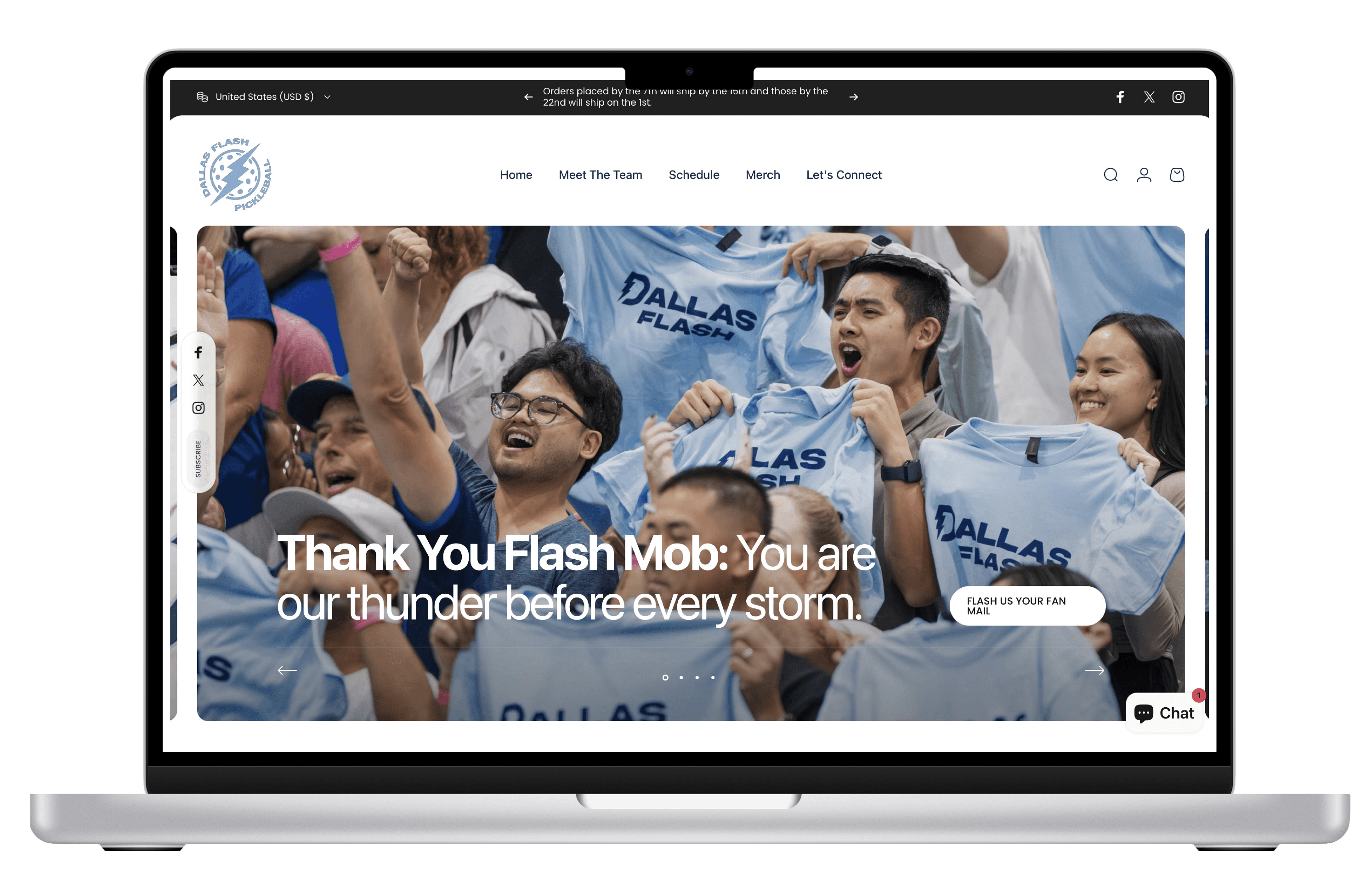
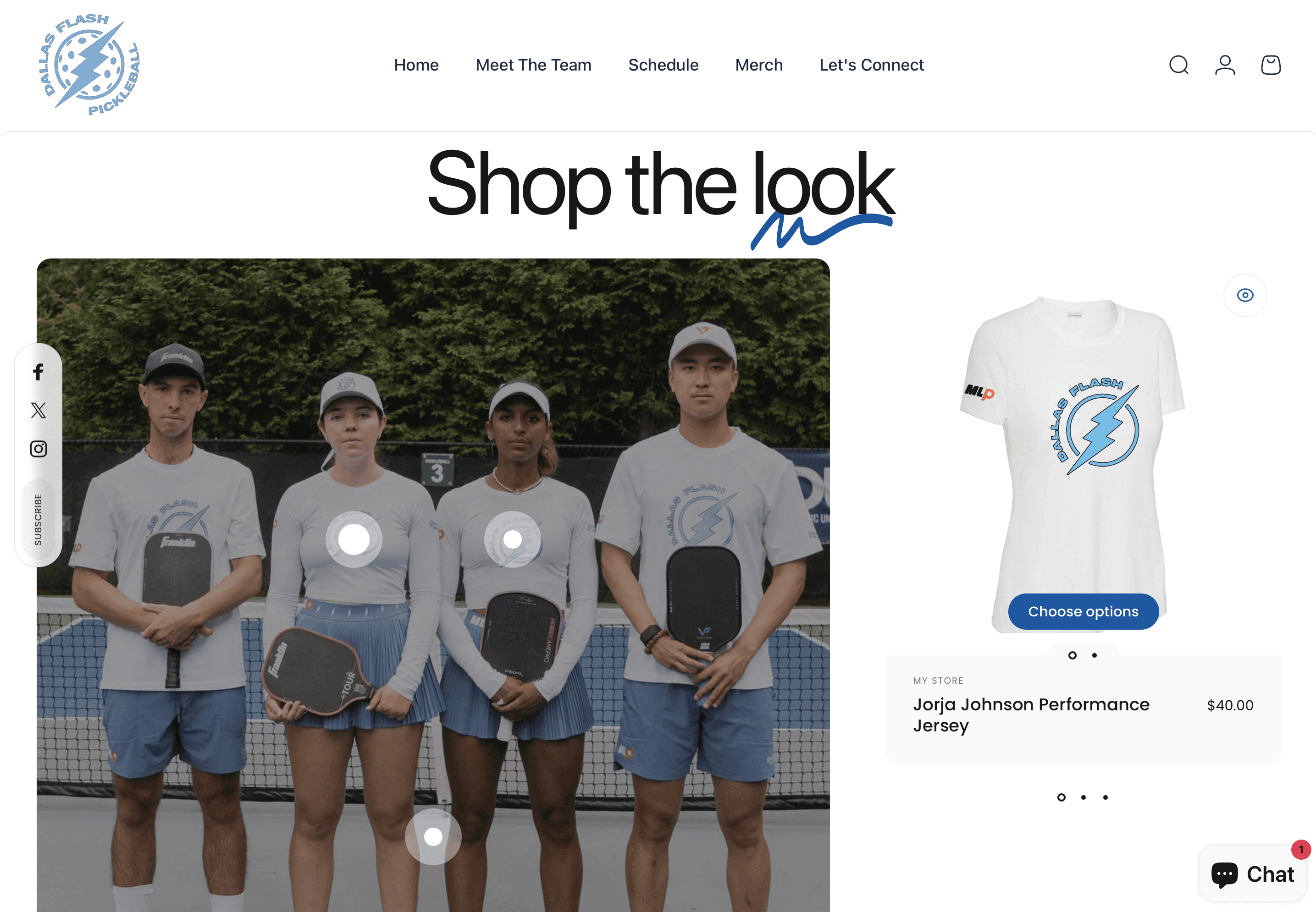
Merchandise as Soft Introduction (Phase 1)
Clear CTAs
Lifestyle photography
Minimal friction checkout
But not overwhelming the experience at launch.
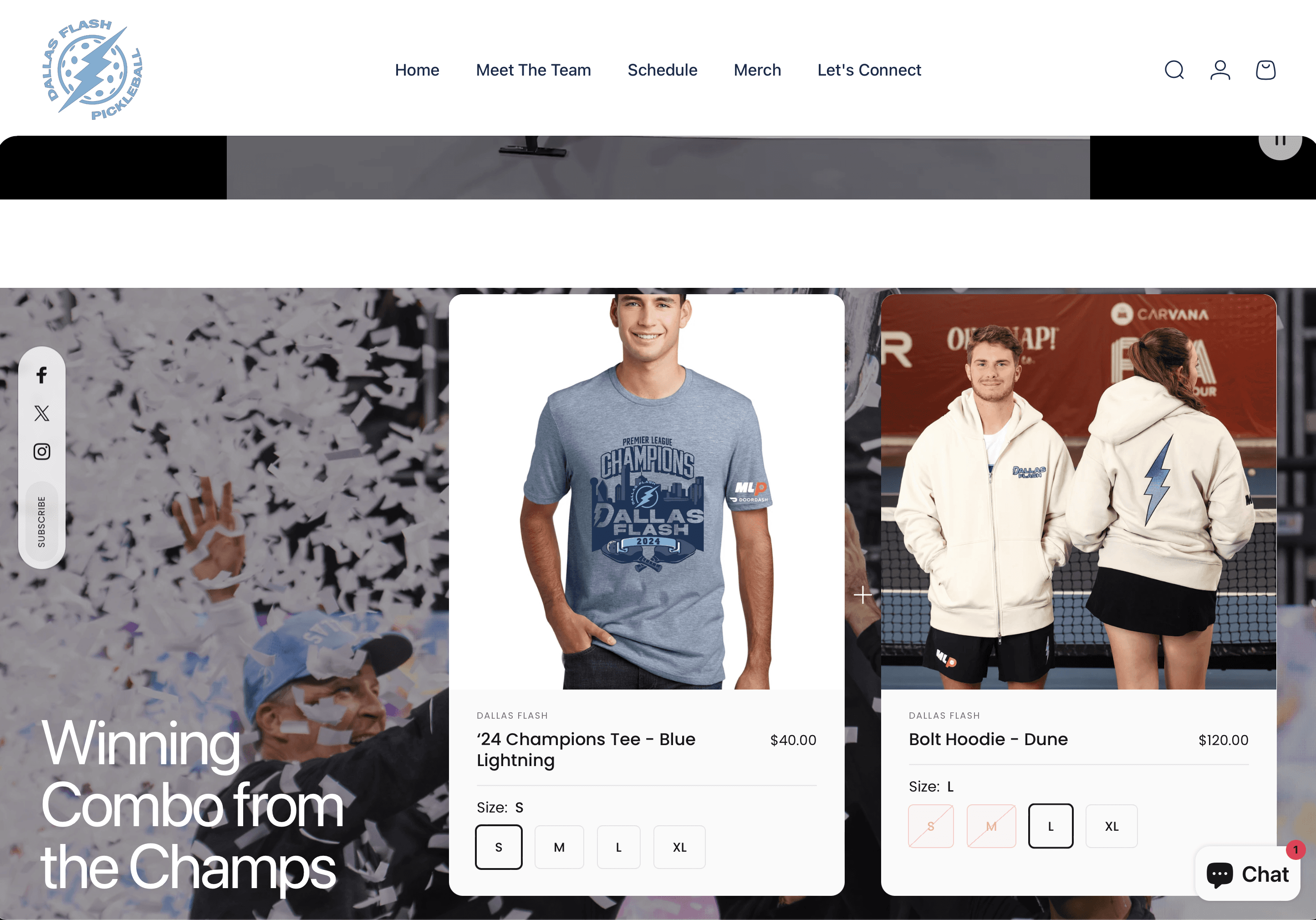
Visual System
Bold color palette reflecting Texas energy
Strong typographic hierarchy
Modular grid system
Reusable components for scalability
Design System Thinking
Built a lightweight but scalable component system:
Hero modules
Player cards
Stat blocks
CTA banners
Product feature modules
Drop announcement sections
This enabled:
Rapid future campaign launches
White-label adaptability for future team expansions
Efficient merchandising rollouts
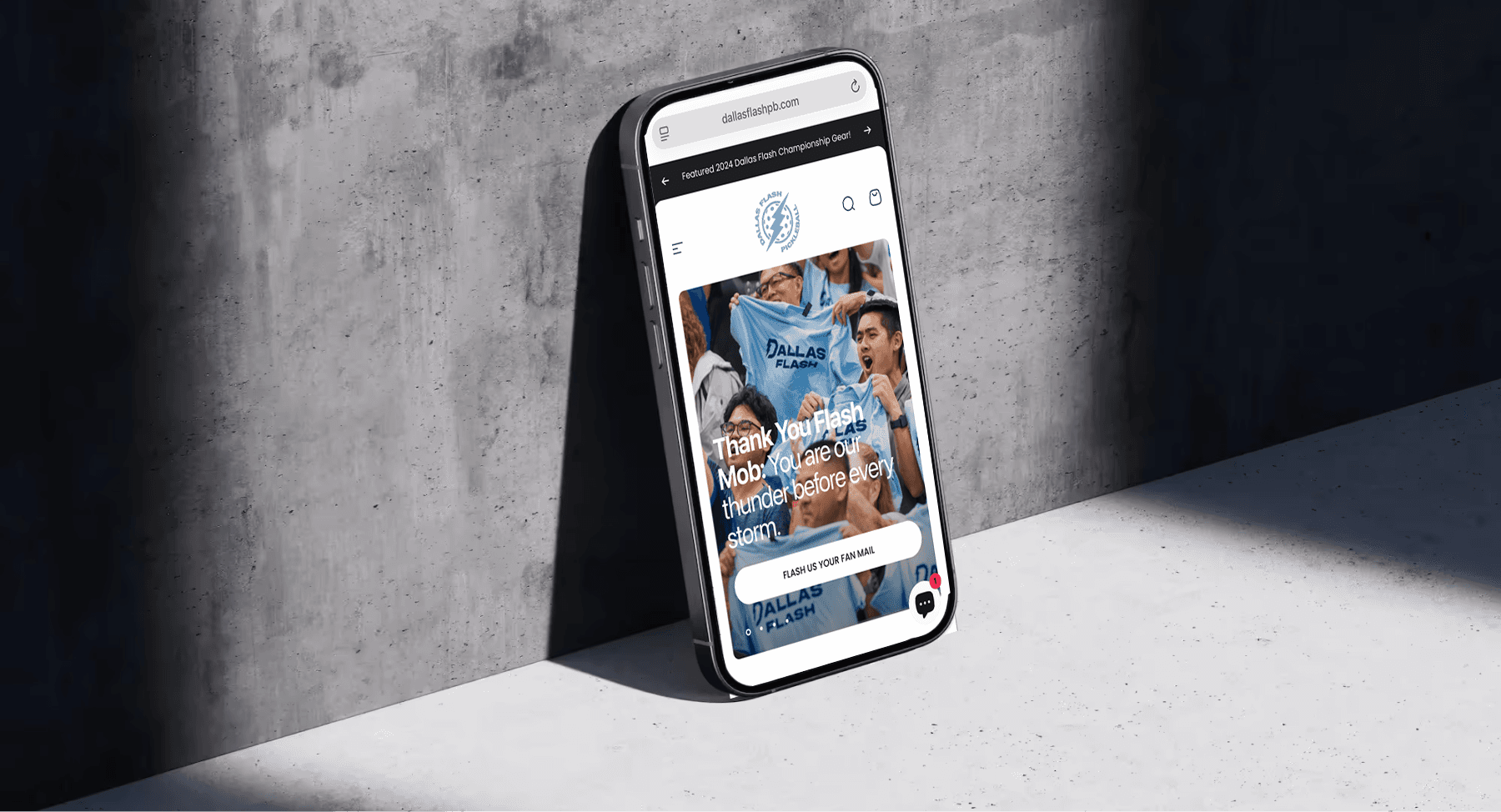
Responsive Strategy
Designed mobile-first for:
Social traffic
Game-day visitors
Merchandise browsing
Key mobile optimizations:
Thumb-friendly navigation
Simplified checkout
Optimized image compression
Clear primary CTA above fold
Ecommerce Growth Roadmap
Post-launch analytics would guide:
Phase 2 Improvements:
Featured product drops on homepage
Scarcity messaging
Email capture for early access
Player-linked merchandise
Bundled product offers
The website becomes:
From “Learn About the Team”
To “Own a Piece of the Team.”
Metrics of Success
Short-Term:
Time on site
Player page engagement
Merchandise click-through rate
Mid-Term:
Conversion rate
Repeat purchase rate
Email list growth
Long-Term:
Revenue as primary KPI
Drop performance metrics
Fan lifetime value
Key Challenges
1. Balancing Brand & Commerce
Avoided making it feel like a generic Shopify store.
2. Early-Stage Brand Identity
No established digital equity.
The website needed to define the visual identity.
3. Designing for Future Prioritization Shift
Solved through modular architecture and hierarchy flexibility.
What I Would Improve Next
A/B test homepage hero (team vs merch-first)
Introduce membership tiers
Launch limited-edition drops tied to match wins
Implement deeper analytics tracking
Add community-generated content
Results & Impact
While initially positioned as an informational site, the platform was architected to support:
Brand authority within Major League Pickleball
Player-driven storytelling
Ecommerce scalability
Revenue expansion without replatforming
The result is a foundation for a sports brand — not just a team website.
Other projects
Chicago Knife Center
A digital experience built for professional chefs, Michelin-star restaurants, commercial knife rental clients, and walk-ins — focused on speed, trust, and precision.
A Wilder Experience
Designing an end-to-end brand experience for adventure enthusiasts — a seamless booking platform for long-range traverse expeditions
North Shore Language Atelier
Revolutionizing the educational ecosystem with a web development to enhance interactive learning collaboration.
Morning Drop Off Club
To turn the everyday school drop-off into a doorway for human connection — building communities one hello at a time, and raising kids who see what real citizenship looks like.
amigo
A friendship-rooted brand designed to empower creators through collaboration, storytelling, and commerce. This project transformed an emotional concept into a scalable brand and digital ecosystem.